DNA Analysis

Living underground reduces the capacity of animals to disperse widely and both stygofauna and troglofauna (two types of subterranean fauna) tend to have much smaller ranges than equivalent surface species. The major conservation implication of these small ranges is that large-scale ground disturbance may sometimes threaten the persistence of a stygofauna or troglofauna species. In Western Australia, all native fauna are protected under the Wildlife Conservation Act 1950 and the environmental assessment process requires that the proponents of development proposals demonstrate that no species of stygofauna or troglofauna (subterranean fauna) are placed at risk of extinction.

Bennelongia has extensive experience undertaking field and desktop surveys of stygofauna and troglofauna for resource development. Subterranean fauna are sampled through suitable drill holes using nets and traps according to EPA Technical Guidance – Sampling methods for subterranean fauna here. The company operates a large laboratory with state of the art microscopes, photographic systems and extensive voucher collections for specialist invertebrate identification. Bennelongia undertakes stygofauna and troglofauna identifications for other consulting firms.

Waterbirds and Shorebirds

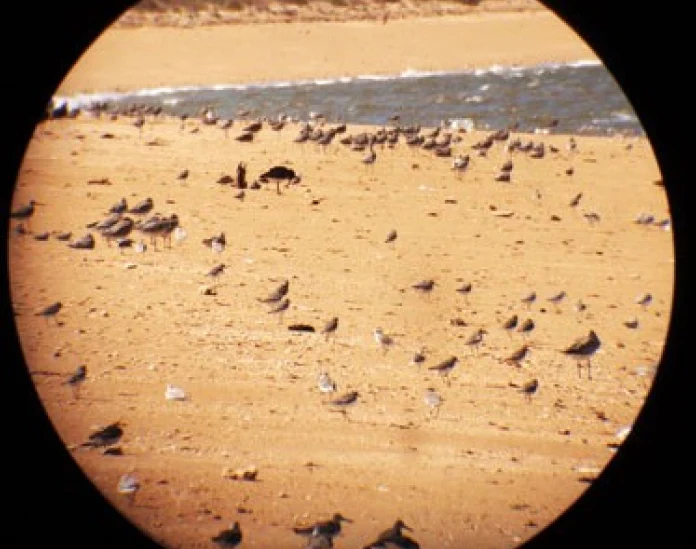
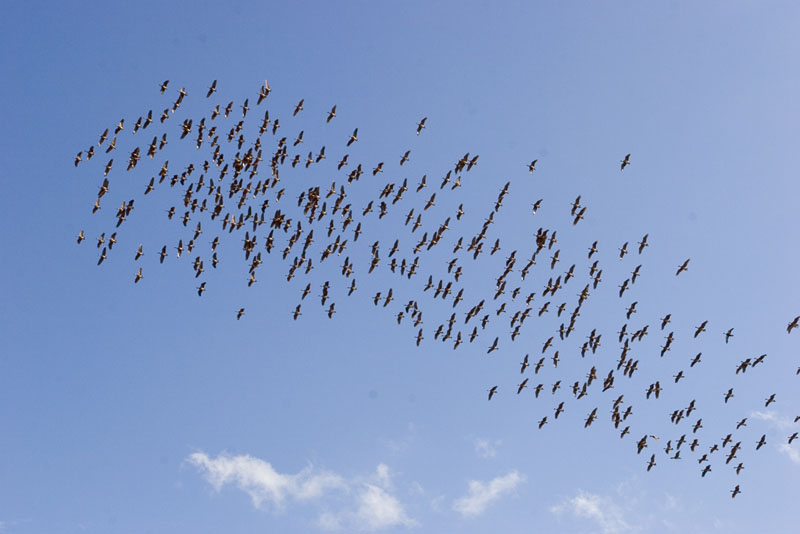
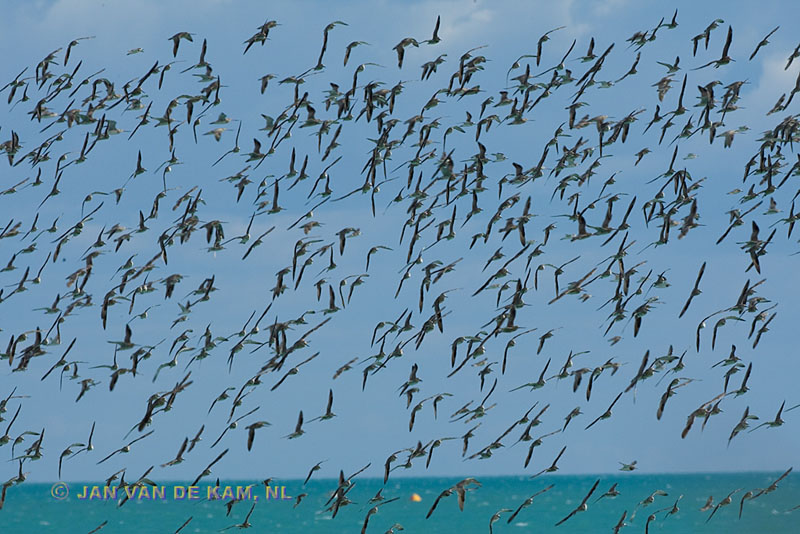
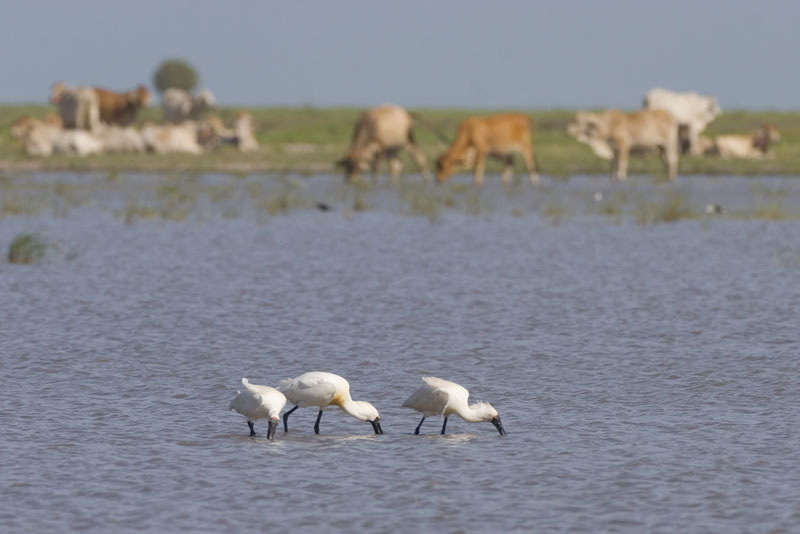
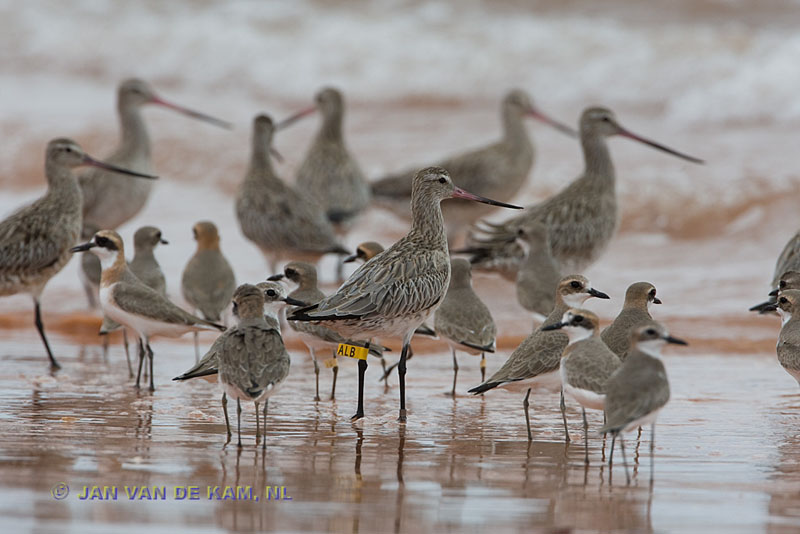
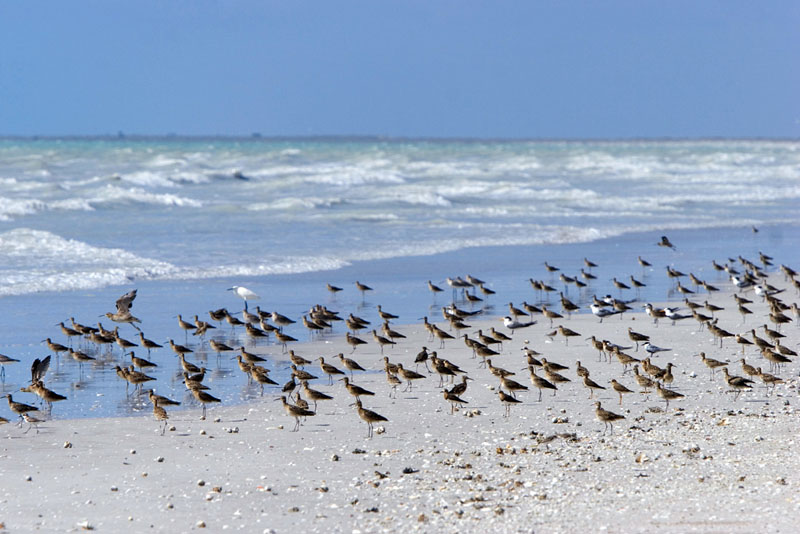
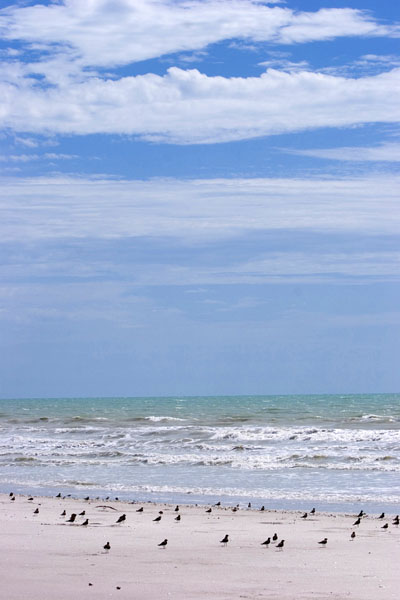
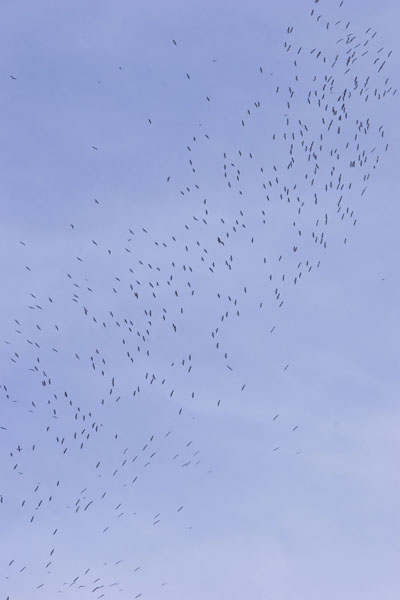
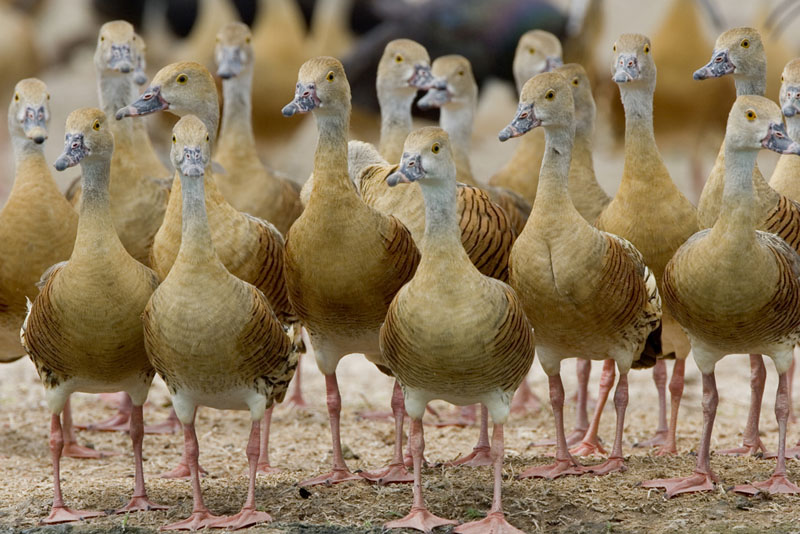
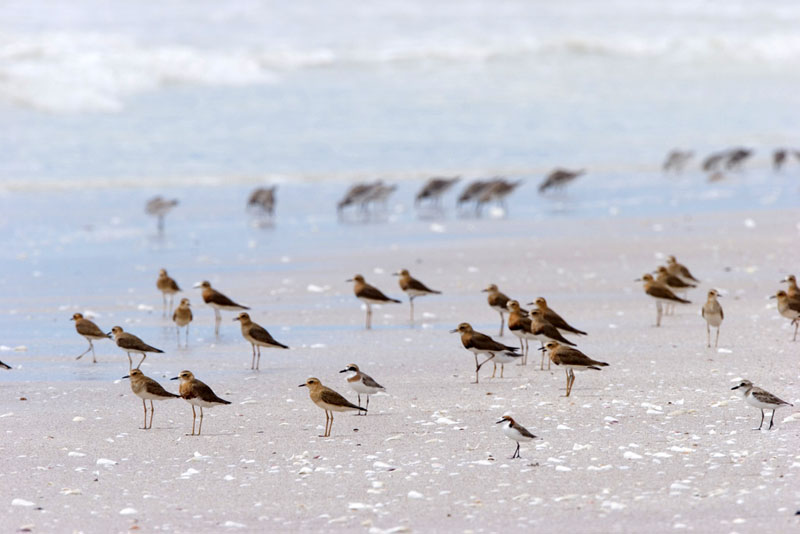
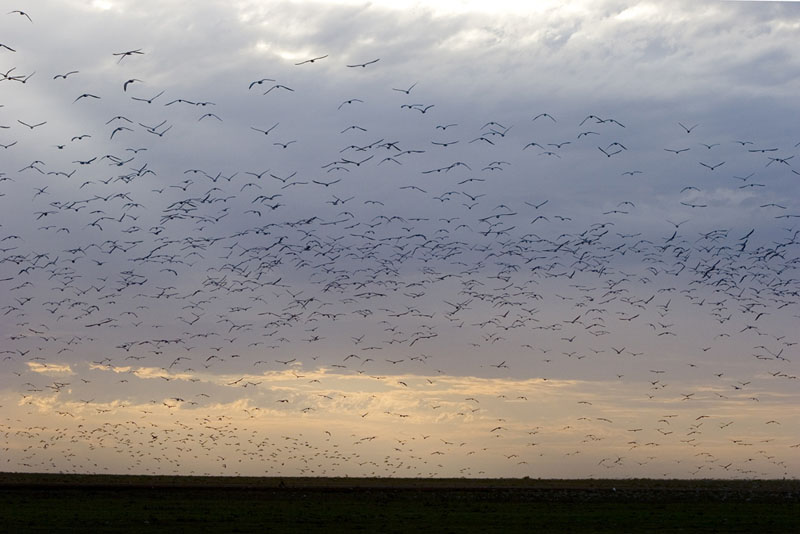
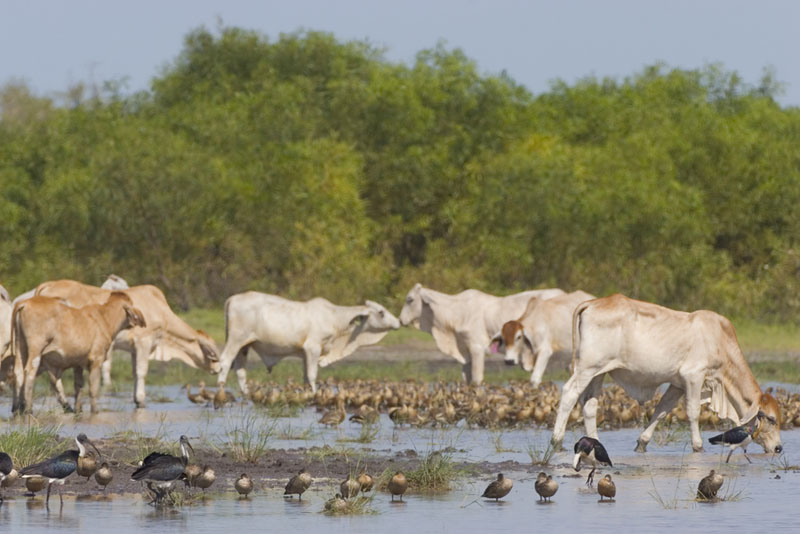
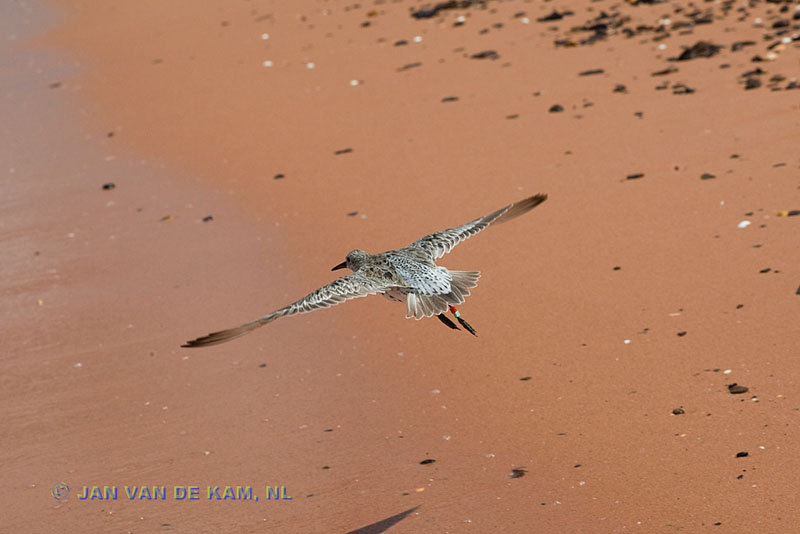
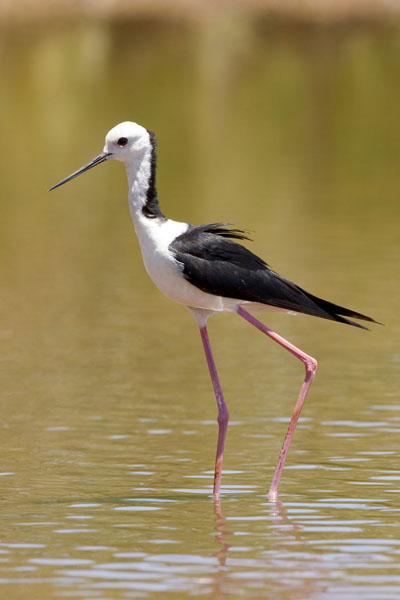
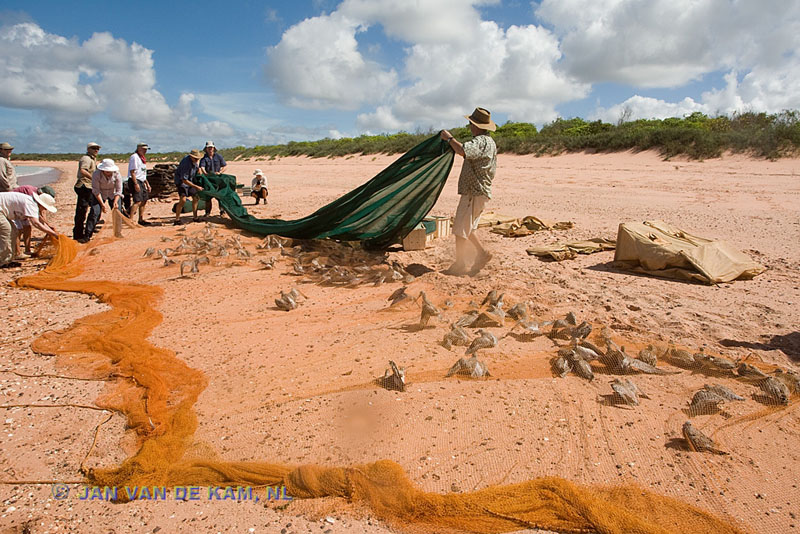
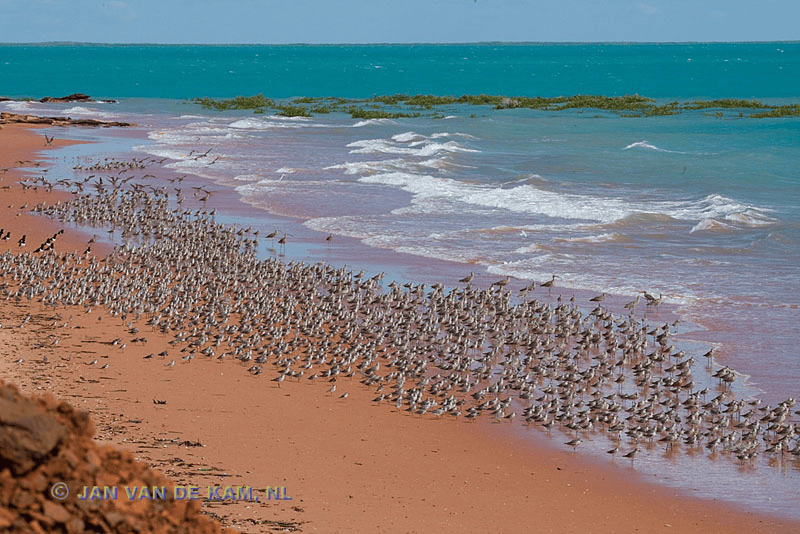
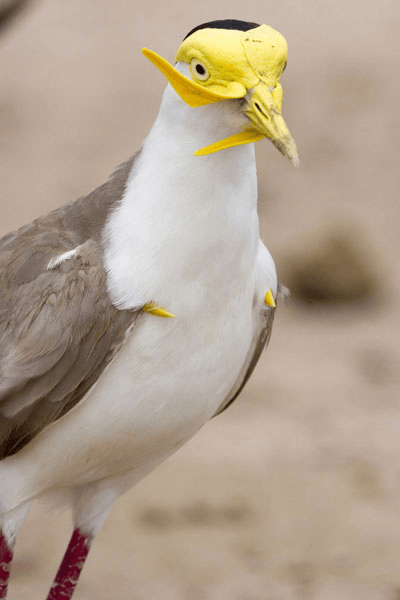
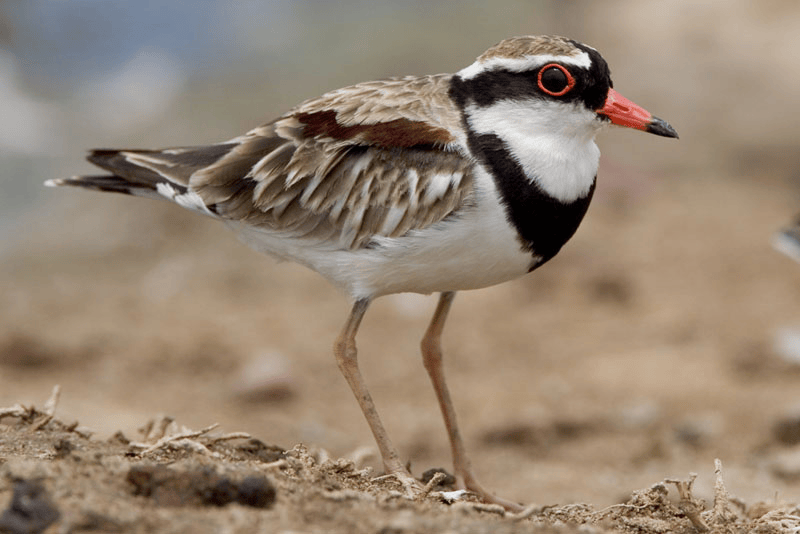
The term waterbirds is an all-embracing one for birds using inland and estuarine waterbodies and includes such disparate species as pelicans, some terns, swans and ducks, herons and voracious hen-like birds using wetland margins. It also includes shorebirds, although many of these species use marine mudflats. While several species of shorebirds occur year-round in Australia, most spend only the austral summer here and return to the northern hemisphere to breed. As a result, they feature in several international agreements that are administered through the EPBC Act.

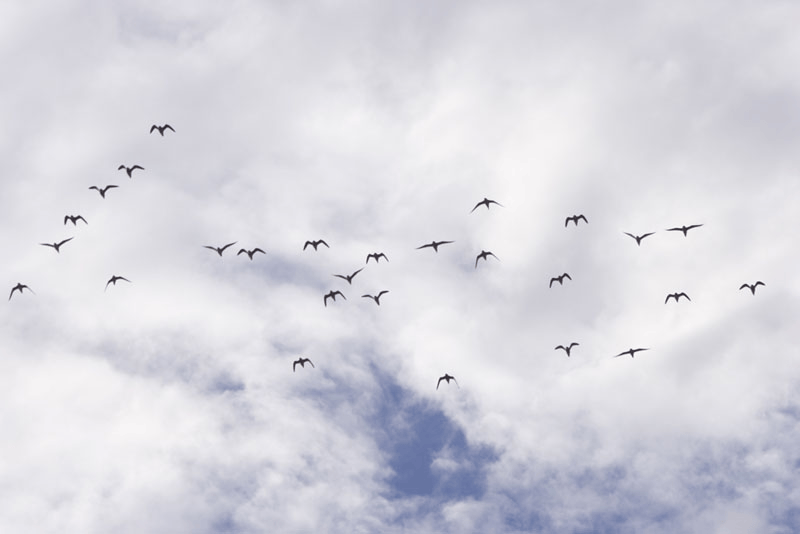
Waterbirds can be surveyed from the air as well as on the ground and aerial survey has significant cost advantages on large wetlands and in remote locations. Bennelongia staff were co-organisors of the 2008 National Waterbird Count and surveyed waterbirds by air across all of Western Australia and part of South Australia.