
- All Blogs|
- Back
- |
- |
Office management has had a changeover! Bennelongia would like to thank Brent Parker for over two years of work towards...
We would like to announce the departure of Dr Andrew Trotter. He served as Principal Scientist with distinction over the...
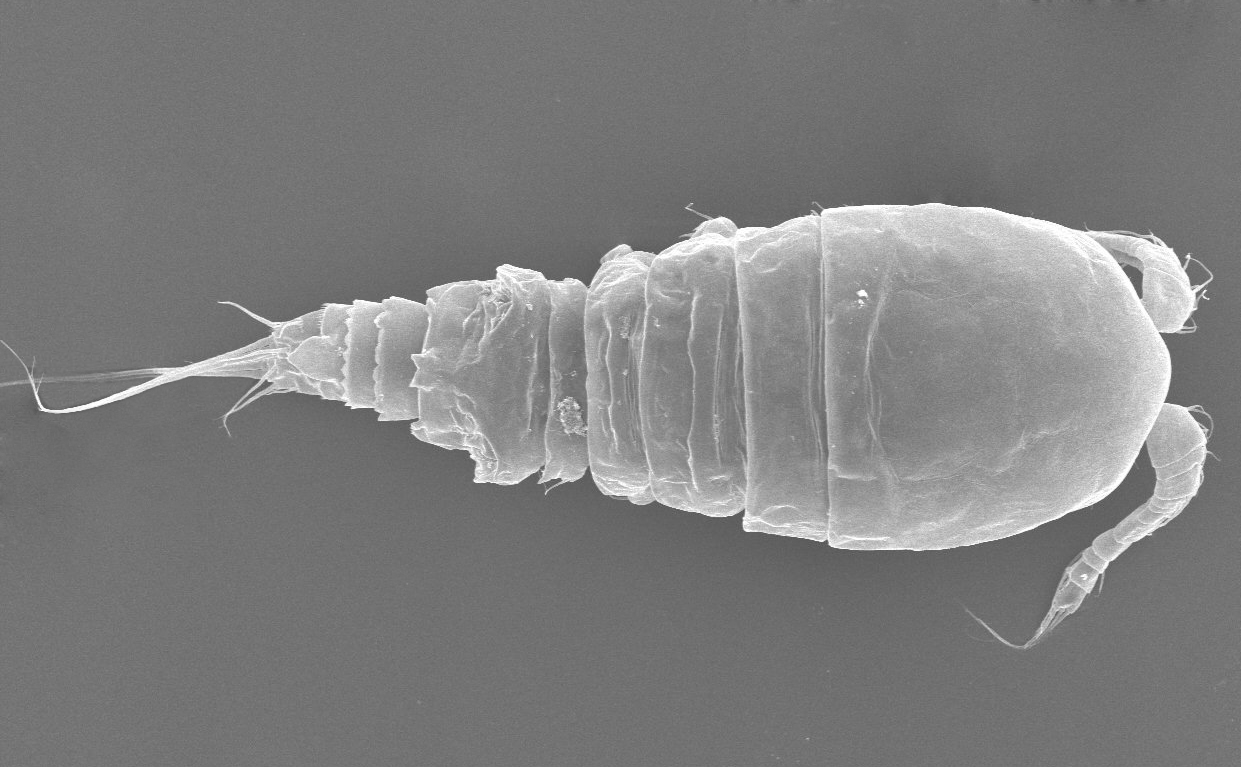
A new paper has recently been published describing two new copepod species of the genus Anzcyclops from the Pilbara region...
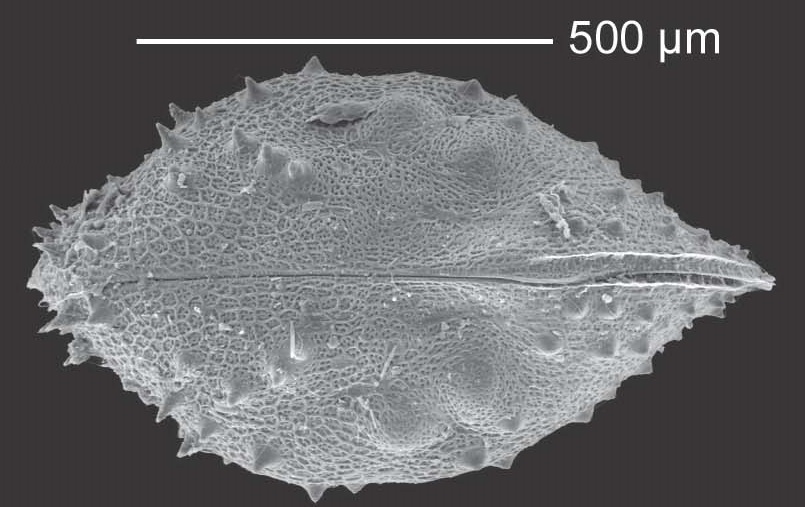
Two new papers have recently been published as a result of ongoing research on the ostracod genus Bennelongia within Western...
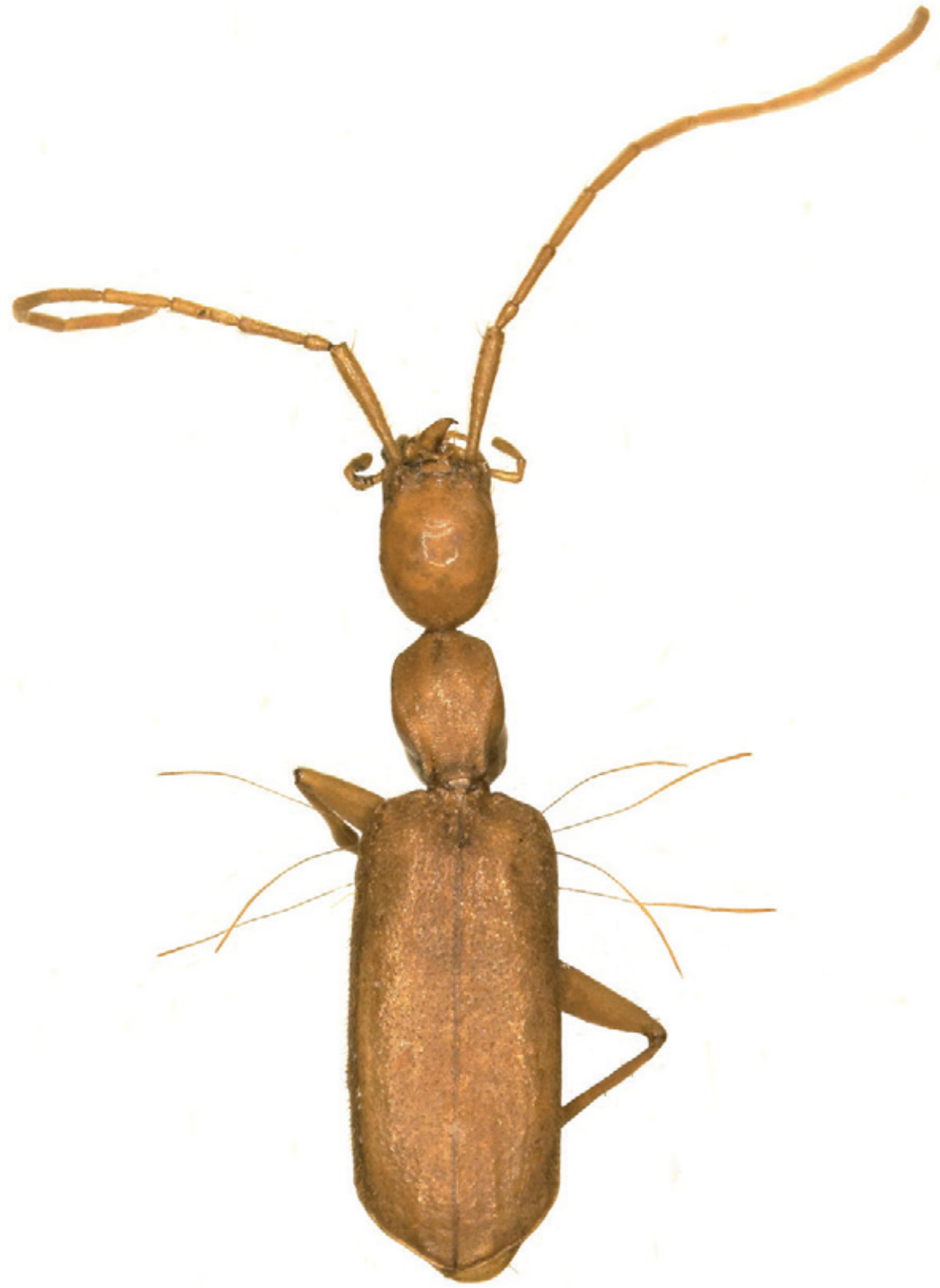
Seven new species of troglofauna from the subterranean diversity hotspot in the Pilbara have been described in three papers published...
Bennelongia would like to congratulate the University of Adelaide, Curtin University and Flinders University on recently being awarded an Australian...
Danilo Harms has co-authored a paper describing four new Mouse Spider species from the Pilbara and Carnarvon. The paper, a...
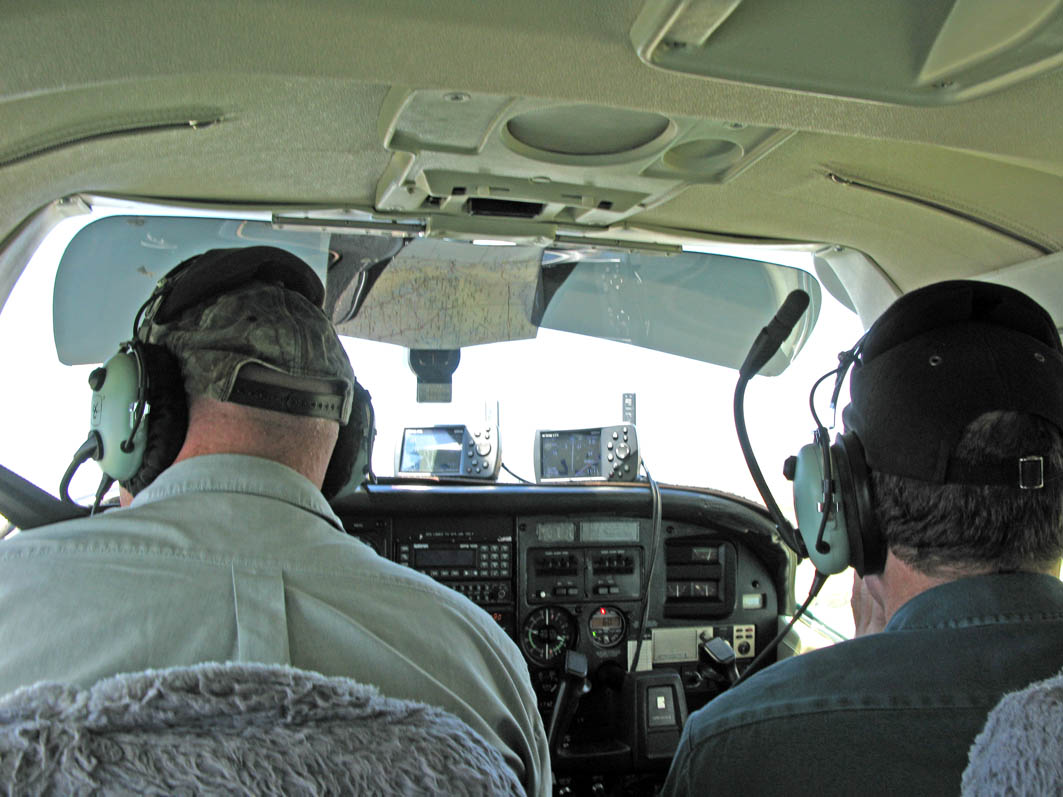
Stuart Halse has contributed to an article recently published by BirdLife Australia as part of their Birds of the Murray-Darling...
Stuart Halse and Grant Pearson have just published a paper on sampling methods for troglofauna in the Journal of Subterranean...
At last the results of the stygofauna surveys undertaken as part of the Pilbara Biodiversity Survey are available in a...